Source Eva Open Toe Hotel Slipper for Hospitality, Spa, and Guest Rooms
Compare 30 listings for eva open toe hotel slipper options featuring customizable branding, eco-friendly materials, and various sole types. Evaluate specifications like thickness and packaging to find suitable suppliers for bulk procurement needs; compare the available evidence and request quotations based on your requirements.
Key considerations
Products List


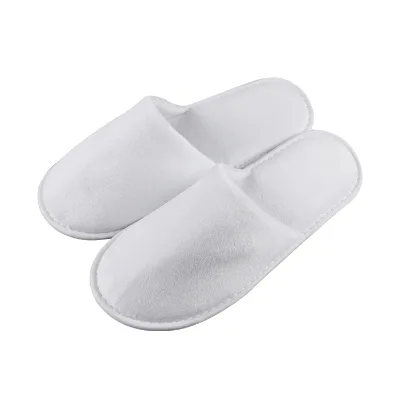


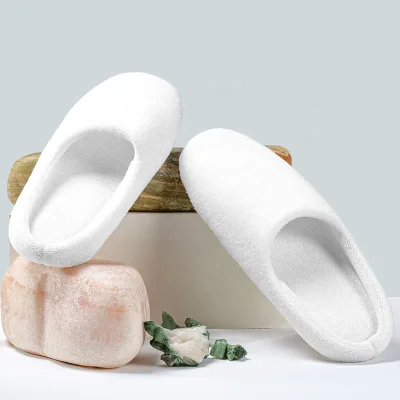


Comprehensive Sourcing Guide
Eva Open Toe Hotel Slipper Sourcing Guide
Procurement teams evaluating EVA open toe hotel slippers must first distinguish between disposable and reusable variants, as the supplied data indicates a specific focus on biodegradable, single-use options for hospitality environments. The observed product attributes highlight a clear segmentation where the primary material is EVA foam, often paired with open toe designs to ensure breathability and comfort for guests in warm climates or during summer seasons. Buyers should verify whether the specific listing targets the disposable market segment, as the "Washable: Disposable" attribute suggests these items are engineered for single-use cycles rather than long-term durability, which fundamentally alters the procurement strategy compared to traditional hotel footwear.
When analyzing the product scope, it is critical to note the variation in sole thickness and standard dimensions, which directly impacts the perceived quality and cost structure of the order. The data reveals specific thickness measurements for the sponge layer at 3mm and the sole at 6mm, alongside standard size ranges like 2811cm, 2911cm, and 30*11cm, indicating that buyers must confirm the exact dimensional requirements for their specific guest demographics. Furthermore, the presence of customization options for logos and branding suggests that these slippers serve as a marketing vehicle for hotels, requiring careful coordination between design specifications and the manufacturing capabilities of the supplier to ensure brand consistency across large orders.
Technical Specifications to Verify
Buyers must rigorously verify the sole composition and thickness specifications, as the provided facts list multiple variations including 5.5mm EVA, 6mm EVA, and alternative materials like plastic dots or rubber. The discrepancy between the 3mm sponge thickness and the 6mm sole thickness in some listings versus the 5.5mm sole specification in others necessitates a clear confirmation of the total stack height and material density before placing an order. This verification is essential because the sole thickness directly influences the slipper's cushioning, durability, and anti-slip performance, which are critical factors for guest safety and satisfaction in hotel environments.
In addition to material composition, the structural design of the toe area requires precise confirmation to align with the intended use case and guest expectations. The product attributes explicitly mention both "Open Toe" and "Closed Toe" styles, with some listings specifying "Open Toe" as a primary feature while others offer a choice between the two. Procurement teams should ensure that the selected model matches the specific hotel's service standards, as open toe designs are often preferred for their lightweight feel and ventilation, whereas closed toe options might be required for specific safety protocols or colder seasonal requirements.
Compliance and Safety Documentation
Safety and compliance documentation for disposable hotel slippers should focus on material safety and environmental certifications, particularly given the "Eco-Friendly" and "Biodegradable" attributes observed in the listings. Buyers should request proof of biodegradability claims and ensure that the EVA material used does not contain harmful substances that could pose risks to guests with sensitive skin or allergies. The presence of a "Ce" certificate in the data suggests that some suppliers may offer European compliance, but procurement teams must verify the scope of this certification to ensure it covers the specific product type and intended market of destination.
Environmental compliance is increasingly a priority for hospitality brands, making the verification of biodegradability claims a critical step in the sourcing process. The listed features indicate a shift toward sustainable materials, yet buyers must demand third-party test reports that validate the decomposition rates and environmental impact of the slippers. Without concrete documentation, claims of eco-friendliness remain unverified, potentially exposing the hotel to reputational risks if the products do not meet the expected environmental standards or if the disposal process does not align with local waste management regulations.
Cost Drivers and Commercial Terms
The cost structure for these slippers is heavily influenced by the minimum order quantity (MOQ) and the level of customization required, with observed ranges spanning from 3000 to 5000 units. Buyers should anticipate that orders at the lower end of the MOQ spectrum may incur higher per-unit costs, while larger volumes could leverage economies of scale to reduce the price, which is observed to range between 0.1 and 7.3 USD. Understanding these thresholds is vital for budgeting, as the MOQ requirements can significantly impact the total procurement cost and the feasibility of small-scale pilot orders.
Lead times and sample availability also play a pivotal role in the commercial terms and overall project timeline. The data indicates a delivery time of 25 days after payment, with sample times varying from 1 day for existing stock to 3-5 days for custom requests. Procurement teams must factor these timelines into their inventory planning to avoid stockouts, especially since the "Shipped in 25 Days" lead time suggests a production cycle that requires advance planning. Additionally, the cost of samples, which may be free for existing items but require negotiation for custom designs, should be included in the initial budget assessment.
Supplier Qualification and Quality Control
Supplier qualification should prioritize manufacturers with a proven track record in producing hotel-specific footwear, as evidenced by the "Hotel Slippers" and "Hotel Kitchen Supplies" attributes in the product data. Buyers should verify the supplier's production capacity and their ability to handle the specific customization requirements, such as screen printing, embroidery, or sewing labels, which are listed as available options. Ensuring that the supplier has the necessary machinery and expertise to execute these branding techniques consistently is crucial for maintaining the hotel's brand image across all distributed slippers.
Quality control measures must be established to ensure that the final product meets the specified dimensions and material standards, particularly given the variations in sole thickness and size standards observed. Buyers should implement a rigorous inspection protocol that checks for consistency in the 2811cm, 2911cm, and 30*11cm dimensions, as well as the integrity of the EVA sole and sponge layers. Given that the products are described as "Hand Made," there is an inherent risk of variability, making pre-shipment inspections essential to identify and rectify any defects before the goods are shipped to the hotel.
Long-Term Procurement Checks
Long-term procurement strategies should focus on building a sustainable supply chain that can adapt to changing environmental regulations and guest expectations regarding disposable products. Buyers should regularly review the supplier's commitment to eco-friendly practices and their ability to source biodegradable materials that meet evolving industry standards. Establishing a long-term partnership with a supplier who can consistently deliver high-quality, compliant products will help mitigate risks associated with supply chain disruptions and ensure a steady supply of slippers for the hotel's operations.
Continuous monitoring of product performance and guest feedback is essential to validate the effectiveness of the chosen slippers in the hotel environment. Procurement teams should gather data on guest satisfaction, durability, and any issues related to the slipper's design or material, using this feedback to refine future orders. By maintaining an open line of communication with the supplier and regularly reviewing performance metrics, hotels can ensure that their procurement strategy remains aligned with their service standards and sustainability goals over the long term.
FAQs
What are the standard specifications for these hotel slippers?
The standard specifications include dimensions of 28, 29, or 30 centimeters in length with an 11-centimeter width. The sponge thickness is 3mm and the sole thickness is 6mm. These measurements ensure a comfortable fit for guests while maintaining structural integrity during use in hospitality environments.
Can I customize the logo on the slippers?
Yes, customization is available for branding purposes. You can choose from screen printing, embroidery, or sewing labels to display your hotel logo. This allows for personalized guest experiences and brand visibility. Contact the supplier to discuss specific design requirements and minimum order quantities for custom branding.
What materials are used for the sole construction?
The soles are primarily made from EVA material, which is lightweight and durable. Some options include plastic DOT, anti-slip sole, rubber, or XPE materials. The EVA sole is often highlighted for being eco-friendly and biodegradable, providing comfort and safety for guests walking on various surfaces.
What is the typical delivery time for orders?
The typical delivery time is shipped in 25 days after payment is received. This lead time allows for production and quality control processes. Buyers should plan their inventory accordingly to ensure timely availability for hotel operations. Sample times may vary, with existing samples ready in 3-5 days.
Are these slippers suitable for all seasons?
Yes, these slippers are designed for all-season use. They are categorized as winter slippers but are suitable for year-round hospitality needs. The materials provide adequate comfort and protection regardless of the season. This versatility makes them a practical choice for hotels seeking consistent supply throughout the year.
What is the minimum order quantity for bulk purchases?
The minimum order quantity ranges from 3000 to 5000 pieces. This MOQ ensures efficient production runs and cost-effective pricing for buyers. Smaller quantities may require negotiation or higher per-unit costs. Buyers should confirm the exact MOQ with the supplier based on their specific order volume and customization needs.